

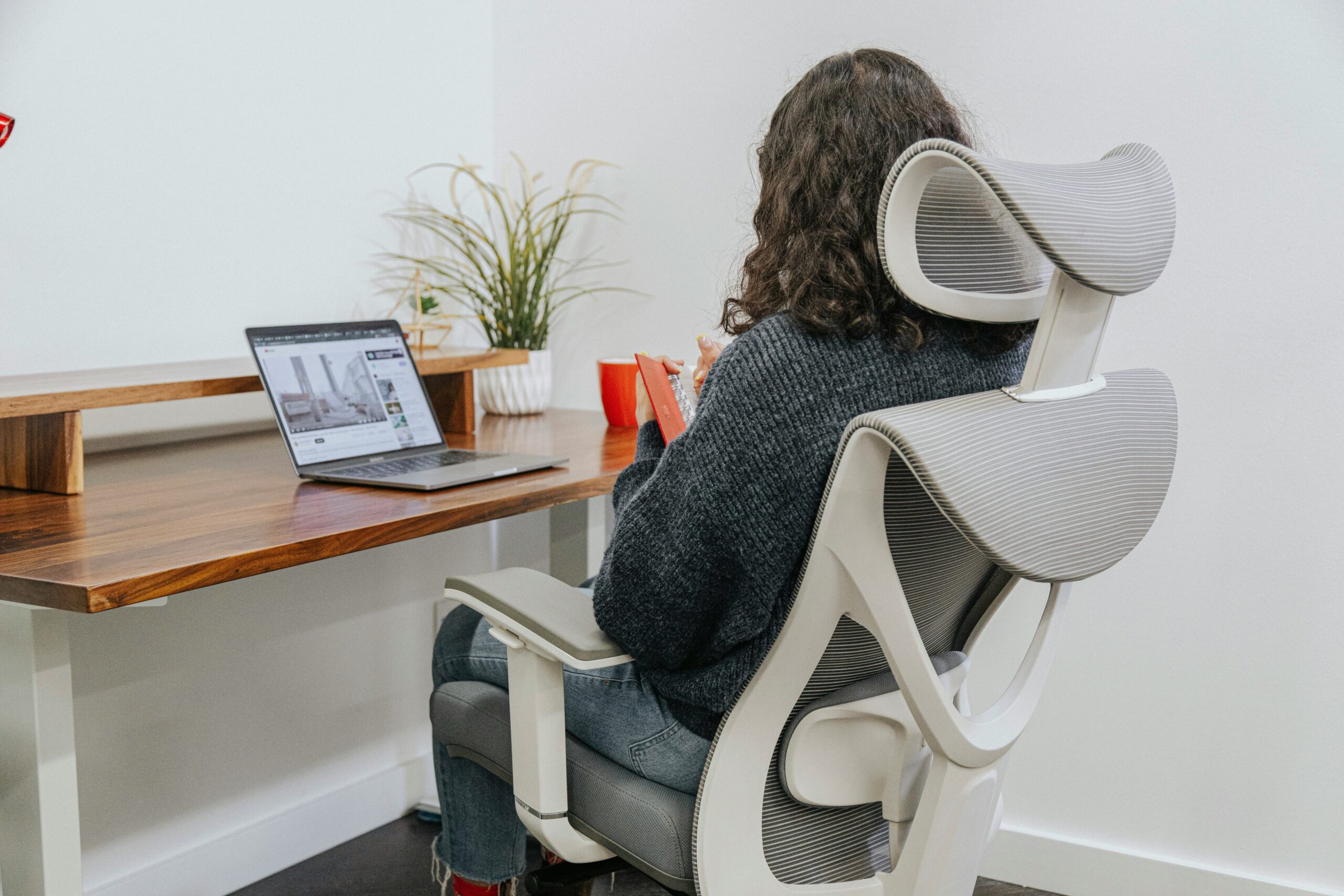
We often think of ergonomics as something reserved for office chairs or those who spend long hours at a computer. However, in reality, ergonomics affects nearly every aspect of life. The way you sit, the way you carry out daily chores, and even how you set up your sleep space. These small choices all affect your body’s ability to feel supported and balanced.
When practiced consistently, ergonomic habits not only prevent aches and pains but also promote overall well-being. They help you move through your days with more energy, focus, and resilience.
What ergonomics really means.
Ergonomics is about creating harmony between your body and your environment. Instead of forcing your body to adapt to poorly designed spaces, ergonomics encourages you to shape your surroundings to fit you.
At work, this could mean adjusting your desk so you can sit with ease. Try to adjust your chair so your feet rest flat on the floor, keep screens at eye level and take micro-breaks to stretch.
At home, this could be choosing tools that reduce strain while doing household chores. Or, creating a sleep setup that helps your spine rest in alignment.
Each of these small adjustments communicates something important to your body:
“You’re supported here.”
Why ergonomic habits matter.
When your body feels supported, your overall well-being thrives. Here’s why ergonomics should be seen as an essential part of both work and home life:
- Physical comfort leads to mental clarity. Pain and tension are distracting. Reducing strain gives your mind the space to focus.
- Energy flows more freely. Without constant discomfort, your body can direct energy toward creativity, productivity, and enjoyment.
- Resilience grows. Ergonomics isn’t just about preventing injuries today. It’s about protecting your muscles, joints, and posture for years to come.
- Rest is more restorative. A supportive sleep environment helps your body repair itself and prepares you for the day ahead.
The wellness connection.
Think of ergonomics as a wellness practice, much like mindfulness or exercise. It’s not about one perfect chair or mattress. It’s about cultivating habits that help your body feel good in its daily rhythms.
Sitting tall at your desk encourages better breathing and circulation. Lifting mindfully at home keeps your spine protected. Aligning your body during sleep improves rest and recovery.
These habits compound over time, helping you feel more balanced and capable, both physically and mentally.
Simple ergonomic habits to start today.
The good news? Ergonomic improvements don’t have to be complicated or expensive. A few small shifts can make a big difference:
Desk posture check: Keep your shoulders relaxed, elbows close to your body, and screen at eye level.
Take movement breaks: Stand, stretch, or walk for a few minutes every hour.
Lift safely at home: Bend your knees, keep objects close to your body, and avoid twisting when carrying heavy items.
Set up a supportive sleep space: Choose pillows and mattresses that align with your spine and allow for quality rest.
Balance screen time: Use good lighting, blink often, and follow the 20-20-20 rule (every 20 minutes, look at something 20 feet away for 20 seconds).
Supporting yourself, every day.
The beauty of ergonomics is that it meets you where you are, whether you’re in an office, cooking dinner, or winding down for the night. By practicing ergonomic habits, you’re making an intentional choice to care for your body in ways that ripple into every part of your life.
Well-being isn’t built on big, dramatic changes. It’s the result of small, steady actions. Ergonomics reminds us that when we take care of our bodies in the details of daily living, we create space for focus, energy, and vitality to flourish.
If you’re wondering how to implement these (and other) ergonomic habits in your workplace, reach out to Navy & Sage Benefits today. We are more than happy to help our clients create a place where everyone is comfortable while working!