

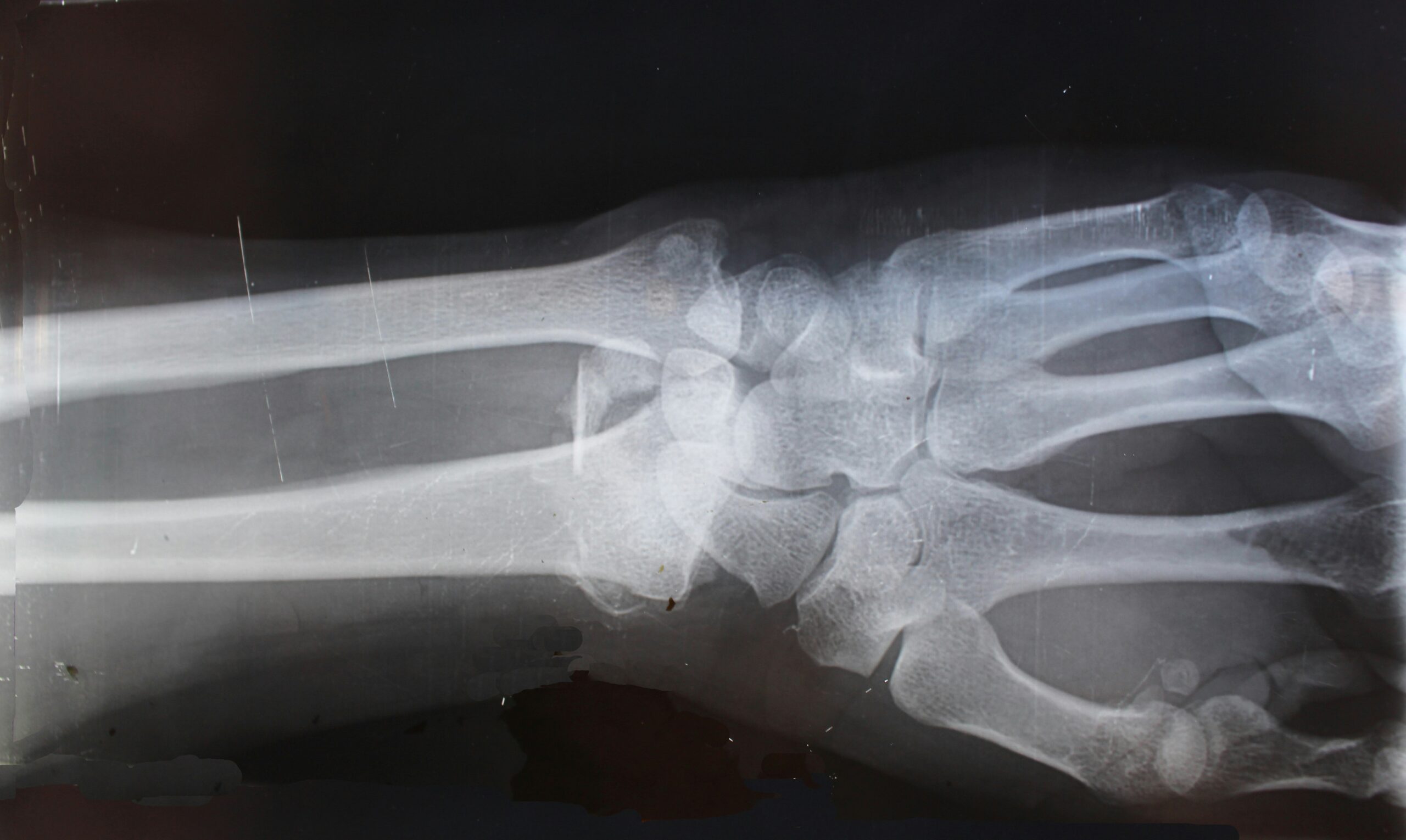
HR professionals are often the bridge between compliance, compassion, and communication when there’s a workplace injury. HR ensures the employee receives proper support, the organization meets legal obligations, and the workplace culture remains trustworthy and safe.
Here’s how HR can effectively guide the process of a workplace injury. Plus, help the employee’s safe return to work.
Act quickly and ensure immediate care.
The first response sets the tone for everything that follows. HR should make sure that emergency or first aid procedures are clearly established and communicated across the workplace.
The injured employee must receive prompt medical attention, whether on-site or through emergency services. Afterwards, the incident is documented accurately, including witness statements, photos (if appropriate), and initial actions taken.
Fast, compassionate action not only supports the employee but also helps HR maintain compliance with workplace safety standards and workers’ compensation requirements.
File the necessary reports promptly.
In Canada, each province has its own workers’ compensation authority (for example, WorkSafeBC, WSIB Ontario or WCB Alberta). HR must ensure the organization meets its reporting obligations. Some of the requirements include submitting an injury report, providing full details and maintaining all documents for the internal records and any future audits.
Timely and accurate reporting helps avoid claim delays and demonstrates organizational diligence in managing workplace safety.
Maintain communication during recovery.
Injured employees often feel uncertain about their job security and their place within the organization during recovery. HR has a job to do by reducing anxiety and maintaining trust. This happens by checking in regularly to show genuine care. You can also coordinate with managers and supervisors to ensure that the employee isn’t pressured to return before they’re ready.
Develop a safe and sustainable return-to-work plan.
Speaking about returning to work, a thoughtful return-to-work (RTW) plan is a cornerstone of effective HR management after an injury. It should be built collaboratively, involving the employee, their healthcare provider, their manager, and the HR representative.
An effective RTW plan includes:
- Modified or transitional duties that match the employee’s current physical and cognitive abilities.
- Flexible scheduling or gradual reintegration, allowing the employee to ramp up safely.
- Ergonomic assessments and workplace accommodations to prevent re-injury.
- Regular reviews and adjustments are made as the employee’s condition changes.
The goal is to balance productivity and care. This ensures the employee can contribute meaningfully while maintaining their health and confidence.
Strengthen your organization’s safety and wellness culture.
Every workplace injury offers lessons that can improve safety protocols and employee well-being. It’s the job of HR to take the lead in fostering a stronger, more proactive culture.
This happens by reviewing the root cause of the incident and identifying prevention strategies. After that, HR will want to update policies and training programs to reflect best practices. Lastly, it’s about integrating wellness initiatives that support physical and mental health.

When employees see that their employer takes both prevention and recovery seriously, it reinforces trust and engagement across the organization.
Let Navy & Sage Benefits help your organization.
For HR professionals, handling a workplace injury goes far beyond compliance — it’s about demonstrating leadership, empathy, and organizational integrity.
By acting promptly, maintaining transparent communication, and creating a structured return-to-work plan, HR can support employees through recovery while strengthening the organization’s overall culture of safety and care.
If your organization is experiencing a workplace injury or wants to stay ahead of HR best practices, reach out to us. Navy & Sage Benefits specializes in HR management and can help your organization cover all bases.
It starts with a phone call today for a better business tomorrow.