

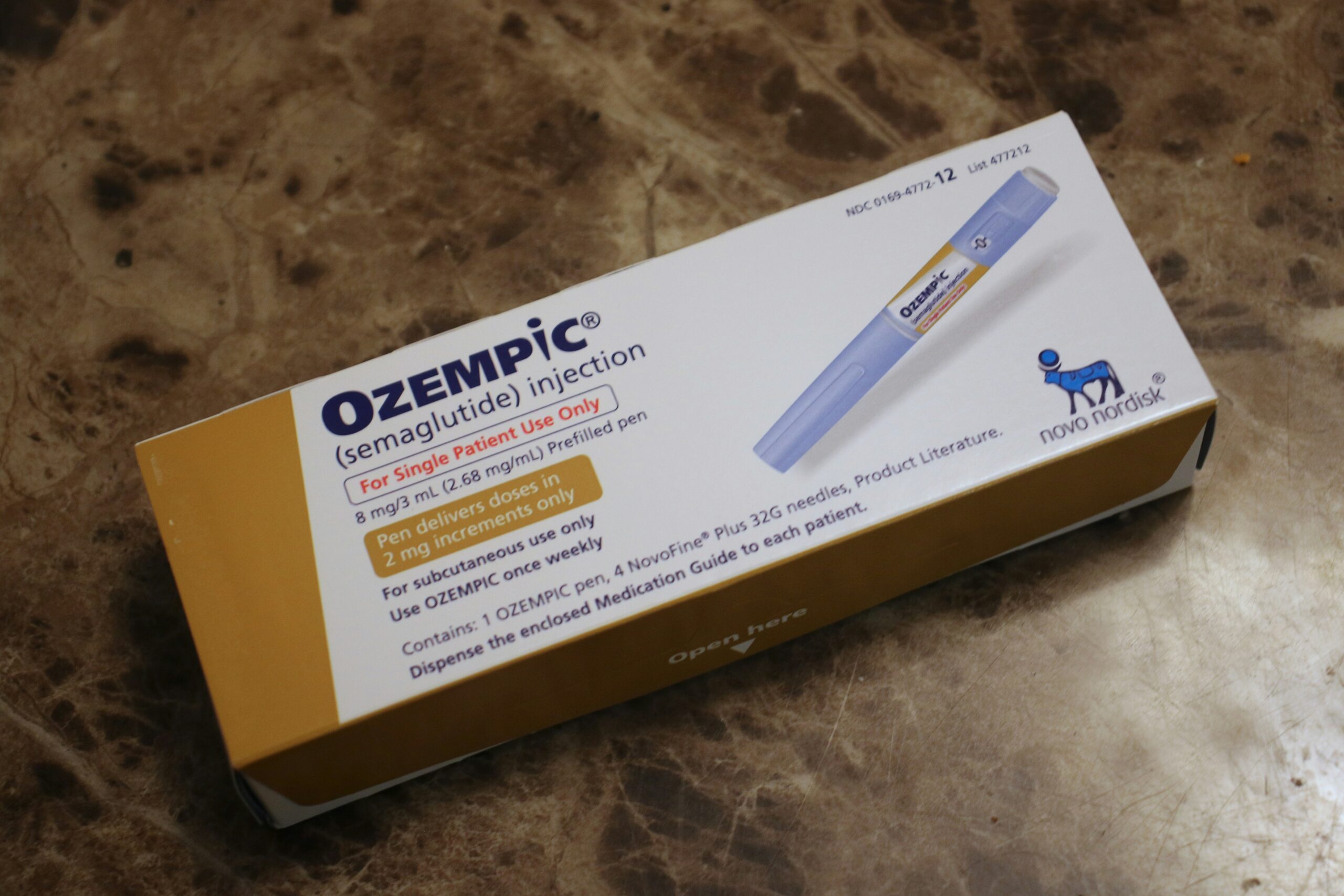
GLP-1 medications such as Ozempic have surged across Canada, driven by their effectiveness in treating type 2 diabetes and supporting weight loss. Now that generic versions are entering Canada, HR and company management should begin thinking about what this means for plan costs, coverage strategy, and employee demand.
In this article, we’ll discuss the news and why it matters for businesses and benefit plans.
Why this matters to employer benefits plans.
If you’re anywhere online, you know that GLP-1 medications have quickly become one of the most talked-about drugs in the world. And if you’re a business owner, you may have had employees ask if your benefits plan includes them.
News has come out that these obesity medications will be arriving in Canada this summer. This could allow additional manufacturers to produce semaglutide-type medications once patent protections permit.
For HR teams, this means pressure on drug plans will remain and may even increase in the coming months.
Does generic mean cheaper for consumers?
It is tempting to assume that “generic” equals “cheap.” But the reality is that with GLP-1 medications, it’s nuanced.

These drugs are complex injectable therapies. Even with the generic options becoming available, the manufacturing costs may be relatively high at the start. But we can expect gradual price reductions.
Most benefit plans may not see dramatic short-term savings when a generic version comes to market. You can reach out to one of the Navy & Sage Benefits advisors to discuss your company’s plan and what the news will mean for it.
What HR leaders can expect next.
We believe that it will have different phases of impact for employers in Canada. In the near term, brand-name GLP-1 drugs will continue to dominate claims.
As more manufacturers enter the space, competition should begin to moderate pricing and improve supply stability.
But what may change sooner is employee awareness and demand. Social media and news coverage, and growing physician comfort with these medications, are already driving more conversations between employees and their healthcare providers. We believe that utilization pressure on plans may continue to rise.
Time to review your company’s benefits plan.
With this news breaking, it’s a good time to review how GLP-1 medications fit within your broader drug strategy and plan.
Organizations may want to revisit whether their current plan clearly distinguishes between diabetes treatment and weight-loss indications. Many Canadian insurers still apply tighter controls when these drugs are prescribed solely for weight management. Ensuring prior authorization rules are current and consistently applied can help avoid unexpected cost creep or a decline.
It is also worth modelling potential future scenarios. If generic competition eventually lowers net pricing, employers may face decisions about whether to expand access, maintain existing controls, or redirect savings elsewhere in the benefits program.
We can go through all of this together. We’ll discuss your company’s needs and figure out what to do for your plan. You can begin by calling one of our advisors today.
Your company’s bottom line.
The news about generic GLP-1 medications creates a meaningful development for Canada and Canadian companies. For HR professionals, this means it’s important to proactively monitor this news rather than make reactive plan changes after the fact.
Organizations that review their usage, educate employees, and model future scenarios now will be better positioned to manage both costs and expectations.
For Navy & Sage Benefits’ clients, this is a space to watch closely. We will continue to share resources about this news on our website and other communication channels. If you have any questions about how this will change your current plan, please reach out to us today.